Introduction: Why Plants Hold Energy
Feng shui is the ancient art of arranging our spaces to encourage positive energy (chi) flow and create harmony in our lives. One of the most uplifting ways to energize your home with feng shui is by incorporating plants. In feng shui philosophy, plants are living symbols of growth, vitality, and prosperity. They don’t just beautify a room – they actively influence the energy of your environment. From purifying the air to balancing the five elements, the right feng shui plants can transform your home into a wellness sanctuary.
In this comprehensive guide, we’ll explore how to harness plant power in every room: the welcoming front door, tranquil bedroom, productive office, rejuvenating bathroom, and lively living room. You’ll learn which feng shui indoor plants are recommended for each area, and how to place them according to feng shui principles like the Bagua map and five elements. You’ll also discover how Nature Whisper’s unique Energy Types system — developed with feng shui experts and rooted in traditional principles — translates this wisdom into a modern framework that helps you find the perfect plant for your personal energy. By the end, you’ll know exactly how to create an uplifting, balanced space with the help of some green, leafy friends. Let’s dig in!
The Power of Plants in Feng Shui

Feng shui (literally “wind and water”) is all about optimizing chi flow – the life force energy – in our surroundings. Plants are one of feng shui’s favorite cures because they introduce vibrant living energy into any space. They symbolize growth and prosperity, and with the right placement they can enhance positive energy flow throughout your home. Here are a few key feng shui principles to understand as you start decorating with plants:
Chi and Vitality
Healthy green plants radiate yang energy (active, uplifting chi) that can enliven a stagnant room. A thriving plant in a corner that feels “dead” will wake it up and get the chi circulating again [1]. Conversely, a dying or neglected plant can bring down the energy, so always choose vibrant, well-cared-for plants (and replace them if they outlive their prime).
The Bagua Map
Feng shui’s Bagua is an energy map that correlates areas of your space to aspects of life (wealth, love, health, etc.)[2]. Plants are associated with the Wood element, so they’re especially effective in Bagua areas that benefit from wood’s qualities of growth and vitality. For example, the southeast sector governs wealth and abundance – placing a flourishing plant like a Money Tree in that corner of your home can help “activate” prosperity energy[3]. Similarly, the east sector represents health and family, so a lush plant in the eastern part of a room can promote wellness and harmony in the household[4].
The Five Elements Balance
In feng shui, balancing the five elements – Wood, Fire, Earth, Metal, Water – is crucial for smooth chi flow. Plants belong to the Wood element, bringing in qualities of expansion, vitality, and upward growth. You can enhance their effect by also adding the Water element (which nourishes wood) – for instance, placing plants in a water-filled vase or near an indoor fountain. A small Lucky Bamboo growing in water is a perfect example: it combines water and wood elements, inviting gentle growth and emotional balance. Just be mindful to balance all elements; for example, in a room with many wooden furniture and plants (Wood element), you might add a Metal element object for contrast or a candle (Fire element) to keep the energy cycle in harmony.
Positive vs. Negative Forms
Feng shui encourages soft, rounded leaves and graceful foliage, as these shapes promote gentle, nourishing energy. Plants with heart-shaped or coin-shaped leaves (like Pothos or Jade) are considered lucky plants that attract fortune and friendship[5][6] On the other hand, avoid plants with sharp, spiky thorns or withered, jagged shapes in high-traffic areas of your home. Such shapes can create “poison arrows” of sha chi (harsh energy) pointing at you. For example, a cactus with its spines is best kept near a window or outside as a protective guard, rather than next to your bed or front door. As a rule of thumb, pick plants that feel friendly and vibrant – their energy will echo that appearance.
Air Purification and Wellness
From a practical wellness standpoint, indoor plants clean the air and increase oxygen, which in turn boosts your mood and health. In feng shui terms, fresh air means fresh chi. Air-purifying plants like the Peace Lily, Snake Plant, or Rubber Plant do double duty by improving air quality and raising the energetic vibration of a space. Keeping a few feng shui indoor plants around can literally help you breathe easier.
Connecting Feng Shui and Nature Whisper’s Energy Types
Just as feng shui uses the Bagua map and the five elements to align your environment, Nature Whisper’s Energy Types system helps you align plants with your personal energy. Each energy type—Flare, Ocean, Earth, Breeze, Beacon, and Pulse—draws inspiration from cultural symbols and feng shui concepts.
- Flare carries the vitality and spark of fire, energizing spaces with passion and creativity.
- Ocean channels the flowing water element, bringing renewal and calm to your surroundings.
- Earth roots you in stability and harmony, echoing the grounding force of the Earth element.
- Breeze embodies movement and adaptability, mirroring the gentle flow of chi through open space.
- Beacon symbolizes illumination and clarity, much like fire guiding transformation.
- Pulse resonates with rhythm and vitality, harmonizing life force energy with balance and flow.
By choosing a plant aligned with your energy type, you’re not only decorating your home—you’re strengthening the flow of chi that supports your well-being. If you’re curious about your own match, our Energy Quiz (Click to take the quiz) is designed to guide you to plants that resonate most deeply with your lifestyle and goals.
Feng Shui Plant Placement by Room
Now let’s get practical. Knowing which plants embody the right energy is one step; knowing where to place them in your home is just as important. Placement shapes how chi circulates and determines whether plants help bring prosperity, calm, or vitality. Here’s how to make the most of feng shui plant placement room by room.
The Welcoming Front Door
In feng shui, the front entrance is called the “mouth of chi” — the place where energy enters your home. Placing plants here sets the tone for everything inside.
- Jade Plant (Earth energy): With round, coin-like leaves, Jade symbolizes wealth and prosperity. Positioned near the entrance, it invites abundance to flow in.
- Money Tree: A classic feng shui favorite, the Money Tree activates wealth energy and creates a warm, inviting atmosphere.
- Norma Croton (Flare energy): For those who want to make a bold first impression, Croton’s fiery colors infuse your entryway with vibrancy and passion.
Tip: Ensure these plants look healthy and full — a struggling plant by the entrance can signal blocked chi.
The Living Room: Social Energy Hub
The living room is the heart of shared experiences. Plants here should encourage connection, vitality, and a welcoming atmosphere.
- Rubber Plant (Earth energy): Known for its strong, glossy leaves, it anchors stability and prosperity while visually filling space.
- Peace Lily: With elegant white blooms, Peace Lily purifies the air and symbolizes peace and calm, making it ideal for gatherings.
- Spider Plant (Breeze energy): Adds movement and lightness to balance heavier furniture and encourage easy conversation.
- Gold Dust Croton (Flare energy): Its golden-speckled leaves bring warmth, abundance, and a celebratory vibe.
Tip: Place plants in corners to activate stagnant chi and soften harsh lines created by furniture.
The Bedroom: Rest and Renewal
Bedrooms are sanctuaries for rest, intimacy, and renewal. Plants here should bring soothing, calming energy.
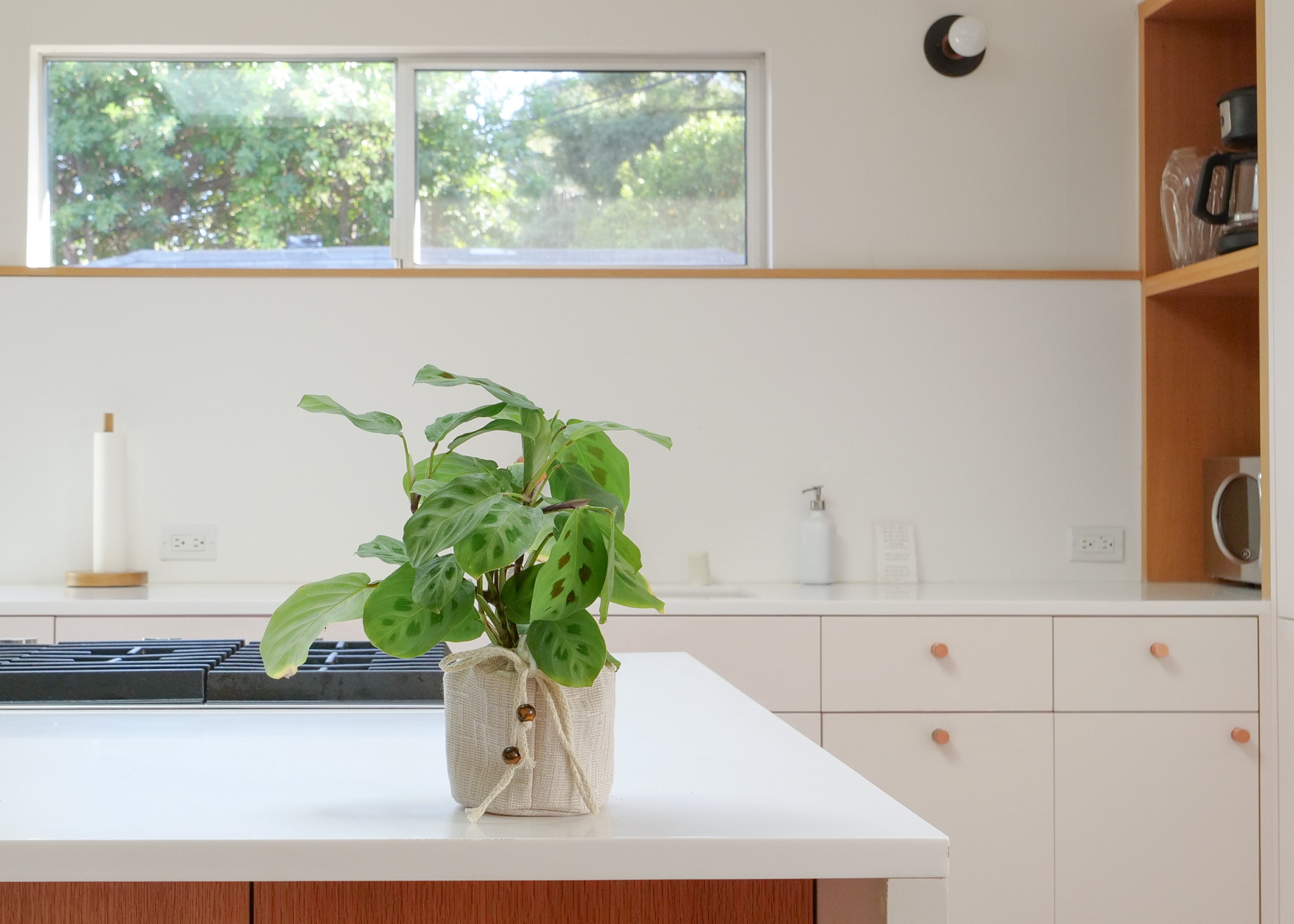
- Prayer Plant (Ocean energy): Its nightly folding leaves create a sense of gratitude and ritual, perfect for restful spaces.
- Blue Star Fern (Ocean energy): With misty blue fronds, it channels tranquility and emotional balance.
- Maidenhair Fern (Neutral energy): Soft and delicate, it encourages serenity and universal harmony.
Avoid overly large or aggressive plants in the bedroom, as they can feel overwhelming and overstimulating. Choose plants that embody softness and subtlety.
The Bathroom: Refresh & Cleanse
Bathrooms can accumulate stagnant or draining energy due to excess water flow. Plants here help restore balance and bring renewal.
- Spider Plant: Hardy and adaptable, it thrives even in humid environments while symbolizing cleansing and adaptability.
- Blue Star Fern: Perfect for bathrooms with indirect light, it restores emotional calm and prevents chi from “draining away.”
- Peace Lily: Its air-purifying qualities are especially beneficial in this space, and its graceful blooms uplift the atmosphere.
Tip: Choose plants that thrive in humidity and keep them elevated or on shelves to balance chi flow.
The Home Office: Focus and Growth
Your workspace benefits from plants that encourage clarity, productivity, and fresh ideas.
- Jade Plant: Symbolizes prosperity and opportunities, making it excellent for a desk or shelf.
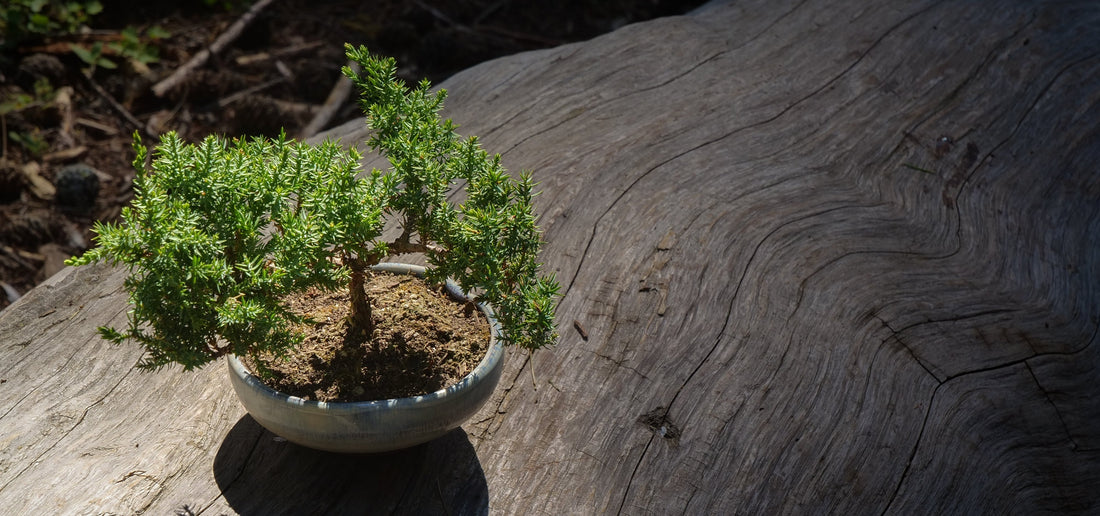
- Juniper Bonsai (Neutral energy): Reflects discipline, patience, and the beauty of slow growth.
- Variegated Wandering Jew (Breeze energy): Encourages adaptability and creative thinking.
- Lemon Lime Dracaena (Beacon energy): Its bright stripes invigorate focus and confidence.
Tip: Place plants where you can see them while working — their energy can refresh your mindset and keep chi circulating during long hours at your desk.
Looking Ahead: More Feng Shui Plant Wisdom
This guide is just the beginning. Feng shui plants can do so much more than fill a space with greenery — they can be tailored to your personal goals, each room in your home, and even the seasons of the year.
Here’s a glimpse at what’s coming next on our blog:
- Feng Shui Plants for the Bedroom: How to create the ultimate sanctuary of rest and intimacy.
- Plants for Work & Study: Boost focus, creativity, and career opportunities with the right greenery.
- Seasonal Feng Shui Plant Guides: Align your plant choices with the cycles of nature for optimal chi.
- Bagua Deep Dive: Step-by-step guides to map your home’s energy zones and activate them with specific plants.
Each article will expand on what you’ve learned here, giving you practical, inspiring ways to bring harmony into every corner of your life.
Conclusion: Bringing It All Together
By now, you can see that adding feng shui plants is about much more than aesthetics—it’s about creating a living energy field that uplifts every corner of your home. Whether you place a Money Tree in your wealth corner or a Peace Lily in your bedroom for calm, the right plants can harmonize chi and transform your space into a wellness sanctuary.
And with Nature Whisper’s Energy Types system, you can go one step further — selecting plants that resonate not only with your home but also with your personal energy. Each plant you bring home becomes more than decoration; it becomes a companion that supports your journey toward balance, growth, and vitality.
At Nature Whisper, we believe in the principle of “take your little nature, give back to the greater nature.” That’s why every order comes with a free signature plant pot and bag — and why we donate $1 to The Nature Conservancy with each purchase. When you bring a plant into your home, you’re not just energizing your space — you’re joining a larger cycle of giving back to the Earth itself.